
France welcomed 102 million international visitors in 2025, more than any other country on earth, according to Atout France. Which means a very large number of people arrive every year expecting the postcard, and instead spend the first day quietly baffled by how we behave in a bakery.
Most of what surprises visitors in France is not rudeness, it is a different set of defaults. Service is paid by the employer rather than by your tip, small talk with strangers is not a social obligation, and reserve in public is read here as good manners rather than coldness. Understand those three and eight of the ten behaviours below stop looking like hostility.
If you read nothing else
- Say bonjour first, every time, before anything else. It is the single habit that changes how you are treated.
- The price you see includes service. A tip is optional, not a correction.
- Several of the old clichés no longer hold. Daily smoking is at a record low and English is far better than the stereotype.
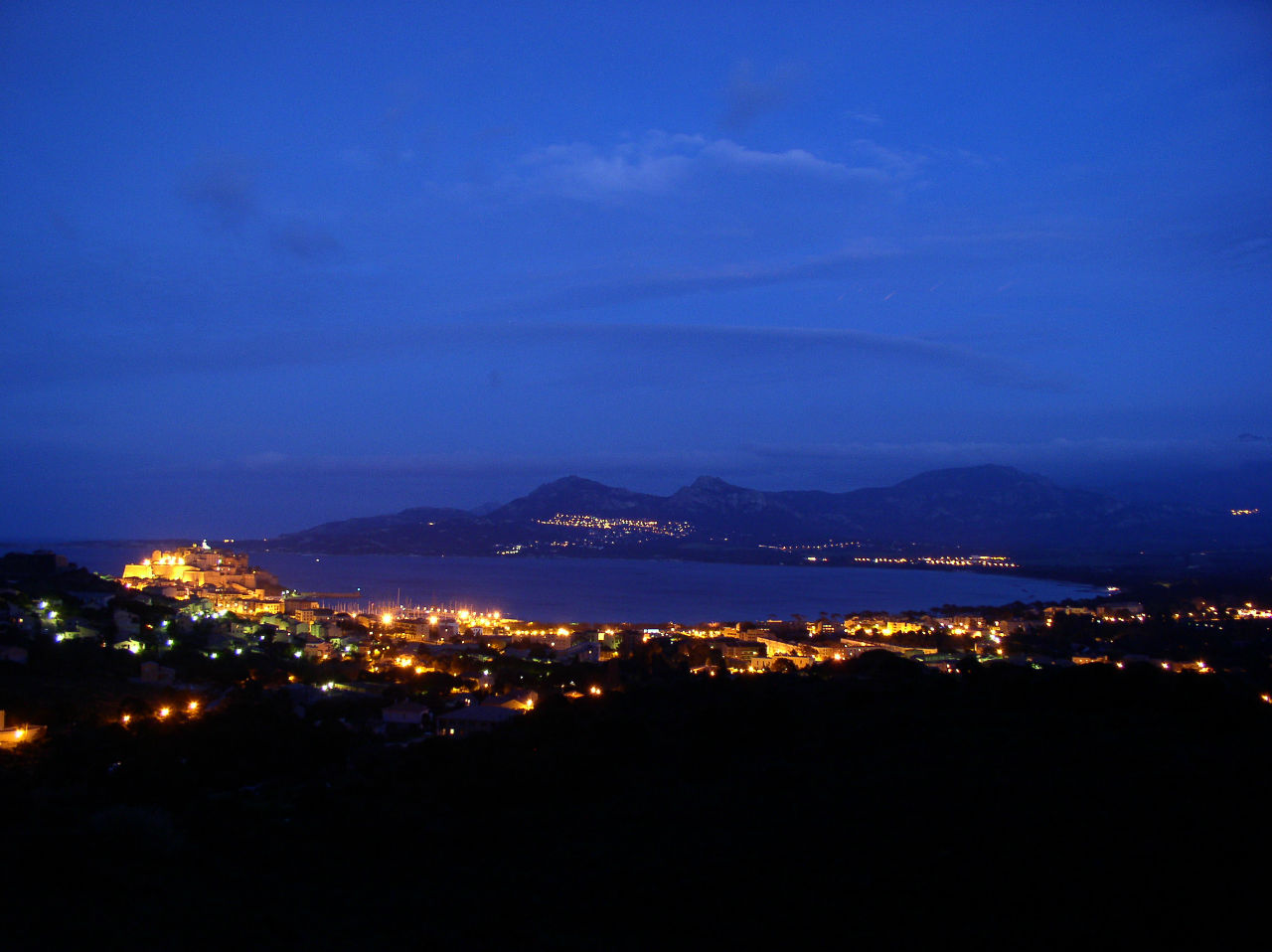
Travelers are impressed by our villages and scenic landscape
At the table
1. We wipe the plate clean with a piece of bread
Visitors stare at this one, and it has a name: saucer, to mop up the sauce. Done with a fork and a small piece of bread, it is a compliment to whoever cooked, not a lapse. Done by hand at a formal dinner, less so. The bread itself sits directly on the tablecloth rather than on a side plate, which surprises people almost as much.
2. The French Paradox, and what the figures actually show
The cliché says we eat cheese and charcuterie and stay slim. The reality is more mixed. The OFÉO study published by the Ligue nationale contre l’obésité in June 2024 found 18.1 per cent of adults in France living with obesity and 30.7 per cent overweight, close to half the adult population, with obesity having more than doubled since 1997. So the paradox is fading rather than holding. What has not changed is the structure of eating: three meals, sat down, at fixed times, with far less snacking in between.
In the street and on the metro
3. People smoke, but far less than the stereotype suggests
Daily smoking in mainland France fell to 18 per cent of 18 to 75 year olds in 2024, a historic low, against 25 per cent in 2021, according to the Santé publique France barometer published in October 2025. The law moved too: since 29 June 2025 smoking is banned on beaches, in public parks and gardens, under bus shelters and near schools, libraries and swimming pools, with a fixed fine of 135 euros. Café terraces were deliberately left out of that decree, and it covers tobacco rather than vaping, which is why you will still walk through smoke outside a bar and not on the sand.
4. Nobody talks on public transport
A crowded Paris metro carriage can be almost silent, and American visitors in particular find this unnerving. Striking up a conversation with a stranger on the way to work is not read as friendly here, it is read as intrusive. The same person who ignored you on the platform will talk for twenty minutes if you ask them for directions.
5. We swear at other drivers, loudly, and think nothing of it
Complaining is a national pastime and the car is its natural stage. It is performance rather than aggression, it ends when the light turns green, and it is entirely compatible with the same driver waving you across a moment later. Take it personally at your peril, or rather, do not take it personally at all.
6. Almost nobody wears shorts in town
Outside the beach and the sports ground, adults here mostly do not. Part of it is the quiet horror of being taken for a tourist, part of it is that dressing down in a city is not read as relaxed but as careless. On the coast the rule softens considerably: in a place like Saint-Jean-Cap-Ferrat in summer, nobody is counting.
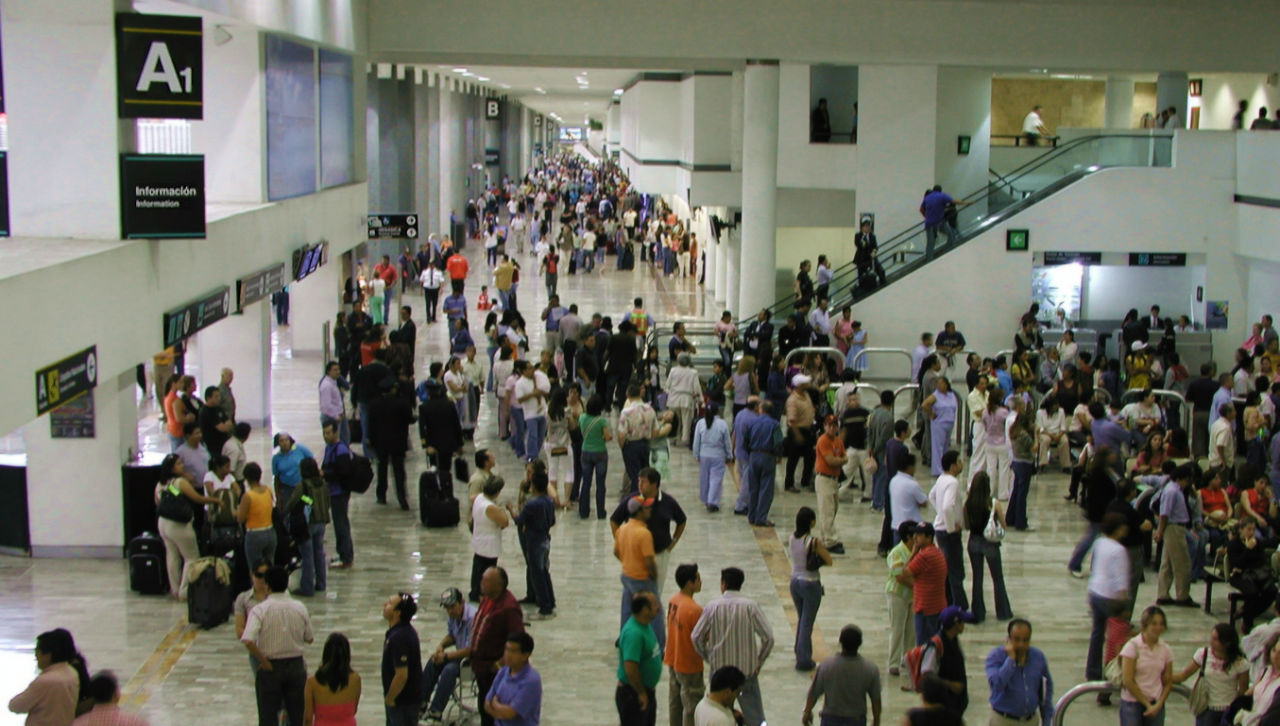
France through the eyes of foreign tourists
In conversation
7. We do not smile out of politeness
A smile here is meant to signal something real, so it is not distributed automatically to everyone who passes. Visitors from cultures where the polite smile is the baseline read its absence as coldness. The French equivalent of that courtesy is the greeting: saying bonjour on entering a shop carries the weight that a smile carries elsewhere, and skipping it is the actual offence.
8. Money, politics and religion stay off the table
Asking a new acquaintance what they earn, how much their flat cost or who they voted for lands badly. Immigration and religion are equally reserved for people you know well. This is not squeamishness about debate, since the French will argue about almost anything, it is that those particular topics are considered private rather than conversational.
9. Our English is better than the cliché admits
The stereotype that the French cannot or will not speak English is out of date. In the EF English Proficiency Index 2025, France ranked 38th of 123 countries and regions with a score of 539, placing it in the high proficiency band and above the global average of 488, up fifteen points on the previous edition. What persists is the reluctance to speak imperfectly in public. Open in French, even badly, and you will very often be answered in English.
When you are the customer
10. Service can feel blunt, and there is a structural reason
Hotels, restaurants and taxis in France are regularly described by visitors as arrogant, an impression that is strongest in Paris. Part of it is genuine, and part of it is a system difference. Under the pricing rules set out in the 1987 consumer information order, the price displayed in a French establishment includes service. Staff are paid a salary rather than living on tips, so nothing in the interaction is engineered to earn your gratuity. That produces service that is efficient and unsentimental instead of warm and performative. A tip remains entirely up to you, and is usually a few euros after something genuinely good, not a percentage.
If you want to test all ten in a single day, do it somewhere the local rhythm has not been rewritten for visitors. A working city rather than a resort, which is one of the arguments for basing a French trip in Nice, where you get the coast and an ordinary weekday market in the same morning.
FAQ: How Foreign Tourists Perceive Daily Life in France
What surprises foreign visitors most about daily life in France?
Mainly the social defaults rather than the sights: reserve in public spaces, the absence of a polite smile between strangers, table habits such as mopping the plate with bread, and the fact that restaurant prices already include service.
Why does French service feel cold or arrogant to visitors?
Because staff are salaried and the displayed price includes service under the 1987 consumer pricing rules, so nothing depends on charming you into a tip. The result reads as efficient rather than friendly, and the impression is strongest in Paris.
Is it true that the French smoke everywhere?
Less and less. Daily smoking fell to 18 per cent of 18 to 75 year olds in 2024, a record low, and since 29 June 2025 it has been banned on beaches, in public parks, under bus shelters and near schools, with a 135 euro fine. Café terraces are not covered by that ban.
Should I speak French or English when I arrive somewhere?
Open with bonjour and a few words of French, then switch. France ranked 38th worldwide in the EF English Proficiency Index 2025, in the high proficiency band, so English is widely understood. The greeting matters more than the language you continue in.
Last updated: August 2026. Sources: Atout France 2025 international arrivals, Santé publique France tobacco barometer 2024 published October 2025, the smoking decree in force since 29 June 2025, the OFÉO 2024 obesity study by the Ligue nationale contre l’obésité, and the EF English Proficiency Index 2025. Social observations in this article are impressions from living here, not measured data.
What threw you?
Tell us the one French habit that caught you off guard, and what you worked out too late. The comments here are the best briefing the next visitor will get.